India's SaaS ecosystem has produced global giants: Zoho (profitable at $1B+ ARR), Freshworks (NYSE-listed), Chargebee, Postman, and hundreds of others. The combination of English-language technical talent, the largest English-speaking developer population outside the US, and dramatically lower operational costs makes India uniquely positioned for SaaS success.
But 95% of Indian SaaS products never cross 1,000 paying customers. Here's what separates the successful 5%.
Phase 1: Problem Validation Before Product
The most common failure in Indian SaaS: building a solution before deeply understanding the problem. The founders who succeed spend 3-6 months talking to potential customers before writing a single line of product code.
The Problem Validation Framework
- Identify the trigger: What specific event causes someone to look for a solution? (e.g., "We missed payroll tax filing because we had no automated system")
- Identify the current solution: What are they doing today? (Excel, WhatsApp, expensive local software)
- Identify the pain: What does the current solution cost them? (Time, errors, compliance risk)
- Validate willingness to pay: "If this tool saved you X hours/month, would you pay ₹5,000/month?" — only answers of "Yes, definitely" count
Phase 2: The Technical MVP Architecture
For an Indian B2B SaaS MVP, our recommended stack in 2026:
- Frontend: Next.js 15 (fast, SEO-ready, App Router)
- Backend: Supabase (PostgreSQL + real-time + auth)
- Authentication: Supabase Auth with Google SSO
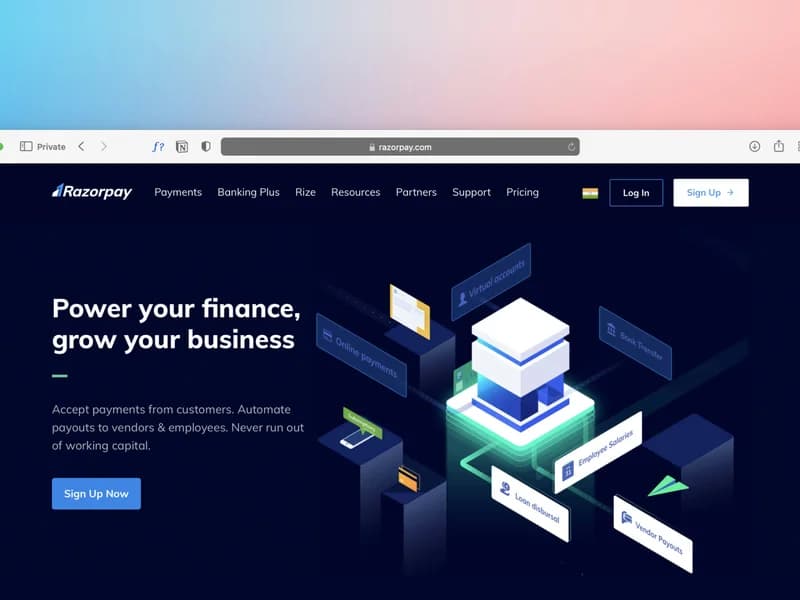
- Payments: Razorpay Subscriptions
- Email: Resend (developer-first, transactional)
- Analytics: PostHog (self-hostable, feature flags)
- Hosting: Vercel (frontend) + Supabase (backend)
This stack can be built by 2-3 engineers in 8-12 weeks and scales to thousands of users without architectural changes.
Phase 3: The Go-to-Market for India
Segment Selection: SMB vs Enterprise
Indian SMBs (Small and Medium Businesses) are the largest addressable market but also the most price-sensitive and highest-churn segment. Indian Enterprise requires longer sales cycles but drives 80%+ of revenue for mature SaaS companies.
Start with mid-market (50-500 employee companies). They have budget, can make decisions without bureaucracy, and provide valuable feedback loops.
The India-First Pricing Model
What works in India:
- Monthly pricing (no annual lock-in) for early adoption
- 10-15% annual discount to incentivize commitment
- Free tier or generous free trial (14-30 days, no card required)
- Price in INR (not USD — psychological barrier for SMBs)
Distribution Channels That Work in India
- Product Hunt + HackerNews: For developer-adjacent tools
- LinkedIn outbound: Target CFOs, HR Directors, Operations Heads
- CA/CS networks: For financial/compliance tools — they recommend software to 50+ clients each
- WhatsApp community marketing: Target founder/CXO WhatsApp groups
- SEO for "alternatives" keywords: "[Competitor] alternative India" has excellent conversion rates
The Key SaaS Metrics to Obsess Over
| Metric | Target | Warning Sign |
|---|---|---|
| MoM Growth Rate | 15-20% | Under 10% |
| Monthly Churn | Under 2% | Over 5% |
| CAC Payback Period | Under 12 months | Over 18 months |
| NPS Score | Over 40 | Under 20 |
| Activation Rate (Day 7) | Over 40% | Under 20% |
Indian SaaS has a long runway ahead. The global market for Indian SaaS is projected to reach $50B by 2030. Build something real, solve a real problem, and the market is waiting.