Every major brand eventually outgrows its CMS. The symptoms are familiar: the website becomes slow, the editorial team fights with developers for every change, and adding new channels (mobile app, kiosk, WhatsApp) requires starting from scratch.
This is the "CMS monolith problem" — and headless architecture is the solution.
What Is a Headless CMS?
A traditional CMS (WordPress, Joomla, Drupal) tightly couples content storage with content display. The CMS generates HTML and sends it to the browser — one destination, one experience.
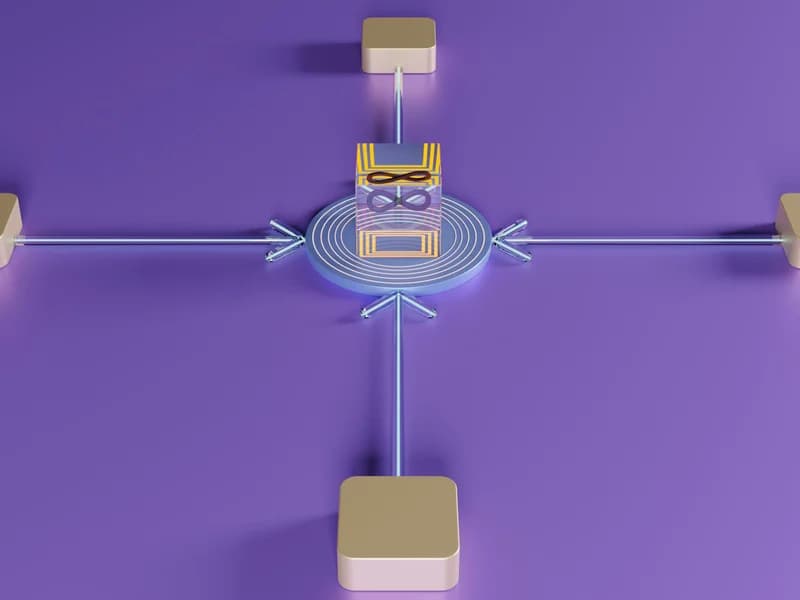
A headless CMS separates content management from content delivery. Content editors manage content in one place; an API delivers that content to any front-end, any device, any channel.
The Architecture Explained
Content Team → [Headless CMS: Sanity/Contentful/Strapi]
                          ↓ (Content API / GraphQL)
            ┌─────────────┬──────────────┬───────────────┐
            ↓             ↓              ↓               ↓
      Web (Next.js)  iOS App      Android App   WhatsApp Bot
Write once, deliver everywhere. Content editors don't need to think about channels — they manage content; technology handles distribution.
Top Headless CMS Options for Indian Enterprises
Sanity (Our #1 Recommendation)
- Real-time collaboration (multiple editors simultaneously)
- GROQ query language (more powerful than GraphQL for most use cases)
- Highly customizable studio UI (build custom editorial workflows)
- Competitive pricing with generous free tier
Contentful
- Enterprise-grade with SOC 2 compliance (important for BFSI sector in India)
- Excellent localization support for multi-language Indian brands
- Higher cost but strongest enterprise SLA
Strapi (Self-Hosted)
- Open-source and self-hosted — full data control
- Important for brands with data residency requirements (RBI, healthcare)
- More setup effort but no vendor lock-in or per-seat pricing
Real-World Results: Ahmedabad Textile Brand
A large Ahmedabad textile exporter migrated from WordPress to Sanity + Next.js headless architecture:
- Page load: 8.2s → 1.1s
- Content update time: 30 minutes (WordPress deploy) → 2 minutes (Sanity + ISR)
- New channel addition (B2B catalog app): 3 weeks instead of 6 months
- Annual hosting cost: ₹4.8L → ₹1.2L
Is Headless Right for You?
Yes if: You have multiple digital channels, content editors who need independence from developers, or performance requirements that WordPress cannot meet.
Not yet if: You're a small team with a simple website who needs to move fast. In that case, a performant WordPress + WP Engine setup is fine until you scale.